Understanding Bonafide Honey Oil: A Deep Dive into Cannabis Concentrates
What Makes Honey Oil Stand Out in the Concentrate World
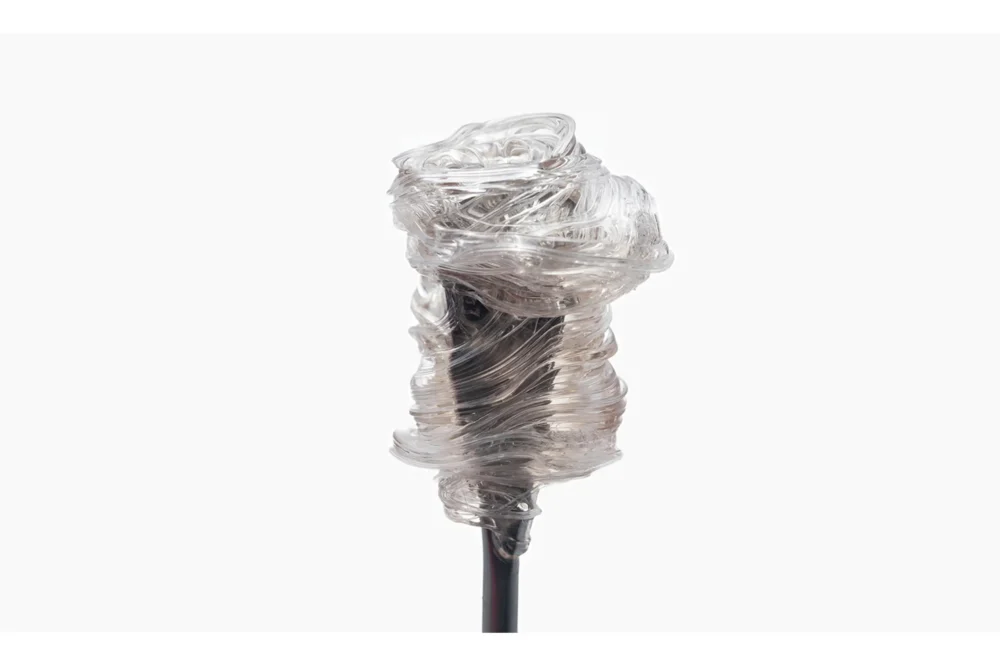
Over the years, I have tried my share of cannabis concentrates. From sticky resins to brittle shatters, each form has its own character. But honey oil has always occupied a special place for me. It is not quite a solid, not quite a liquid, and when you get a truly bonafide honey oil, the texture alone tells you someone did the extraction right. The color ranges from pale amber to deep gold, and the consistency is thick enough to handle with a dab tool but fluid enough to soak into a wick or mix into a tincture base.
For anyone who has ever been disappointed by a product labeled "honey oil" that turned out to be thin, flavorless distillate cut with cheap carrier oil, the difference is night and day. A genuine product delivers the full sensory experience: the aroma of ripe hemp, the taste of the plant's natural terpenes and flavonoids, and a cannabinoid profile that hits with both depth and clarity. That is why I always look for something that feels like a bonafide honey oil, not just a marketing label.
How Honey Oil Fits into the Cannabis Oil Family
Cannabis oil is a broad term. It can mean anything from a simple hemp seed oil infusion to a concentrated extract containing significant levels of THC and CBD. Honey oil sits closer to the concentrate end of that spectrum. It is typically made by cold extraction or gentle solvent methods that preserve the delicate volatile compounds. The result is a full spectrum product, meaning it holds onto a wide range of cannabinoids, terpenes, and flavonoids that work together through what we call the entourage effect. That synergy is why many users report that a full spectrum cannabis oil feels more balanced than an isolated distillate.
Delta 8 and delta 9 are two of the major players in that entourage. Delta 9 THC is the familiar psychoactive compound most people associate with a high. Delta 8 THC, on the other hand, is milder and often described as more functional. A well-made honey oil that is truly full spectrum will contain both, along with CBD and other minor cannabinoids. That mix can be a real advantage if you are looking for something that does not overwhelm you. I have found that products like this work well in a vape cart, where the viscosity is just right for wicking without clogging the coil.
Practical Uses: Dabbing, Tinctures, and Edibles
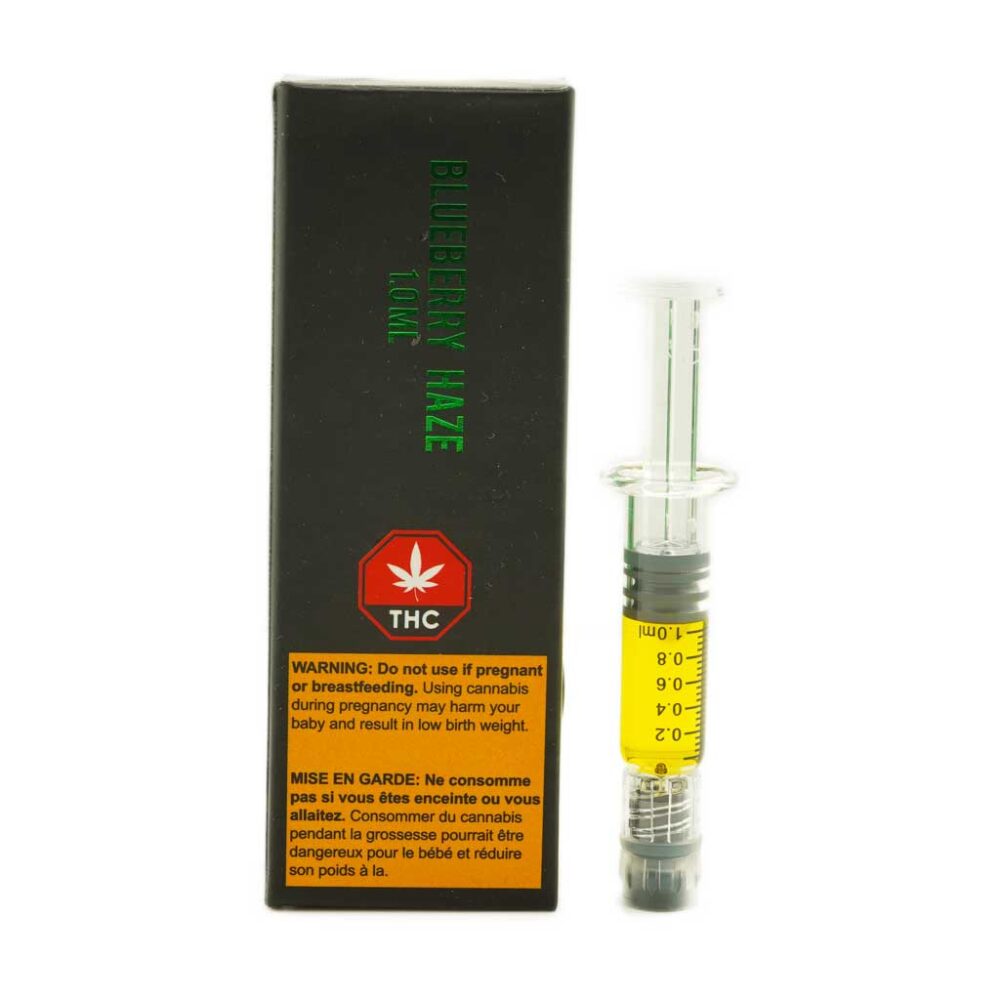
One of the reasons honey oil has become a staple in my routine is its versatility. For a quick session, a small dab on a heated nail produces a clean vapor that is rich in flavor and fast-acting. The low melting point means it vaporizes evenly without scorching, which is important for preserving those delicate terpenes that give each strain its personality. If dabbing is not your style, honey oil can be dissolved into a carrier like MCT oil to make a tincture. A few drops under the tongue or mixed into tea provides a slower, longer-lasting onset that is ideal for daytime use.
Edibles are another excellent application. Because honey oil is already decarboxylated in many cases, you can stir it directly into warm butter or oil and use it in recipes. The consistency blends smoothly, so you do not end up with uneven dosing. I have made brownies and gummies this way, and the results are consistent every time. Just remember to start low and go slow, especially if your honey oil has a high THC content from delta 9 or even delta 8. The entourage effect can make the experience feel more complex than a pure distillate, so dosing requires a bit of care.
What to Look for in a Quality Product
Not every honey oil on the market is created equal. There are a few telltale signs that you are dealing with a bonafide honey oil rather than a diluted imitation. First, look at the color. A genuine product ranges from light gold to a rich amber, but it should be consistent throughout. If you see separation or cloudiness, that is a red flag. Second, the aroma should be distinctly herbal and complex, not like artificial flavoring or burnt sugar. Third, the viscosity should be thick enough that it moves slowly when you tilt the container but not so thick that it is hard to work with.
Another clue is the cannabinoid profile. A lab-tested product will tell you the ratio of delta 8 to delta 9, as well as the CBD content. A full spectrum honey oil will have measurable amounts of minor cannabinoids and terpenes, not just THC. If the only thing on the label is a high THC percentage, it might be a distillate that has been cut with something else to thin it out. That is not necessarily a bad product, but it is not the same as a true full spectrum cannabis concentrate.
Comparing Honey Oil to Other Concentrates
Honey oil sits somewhere between a distillate and a traditional solvent extract. A distillate is typically more refined, often made by short-path distillation that isolates specific cannabinoids. That can be great for precise dosing, but it sacrifices some of the minor compounds that contribute to the entourage effect. A classic solvent extract, on the other hand, captures a wider range of compounds but may retain residual solvents if not purged properly. Honey oil, when made well, strikes a balance. It retains the full spectrum of cannabinoids and terpenes without needing harsh chemicals.
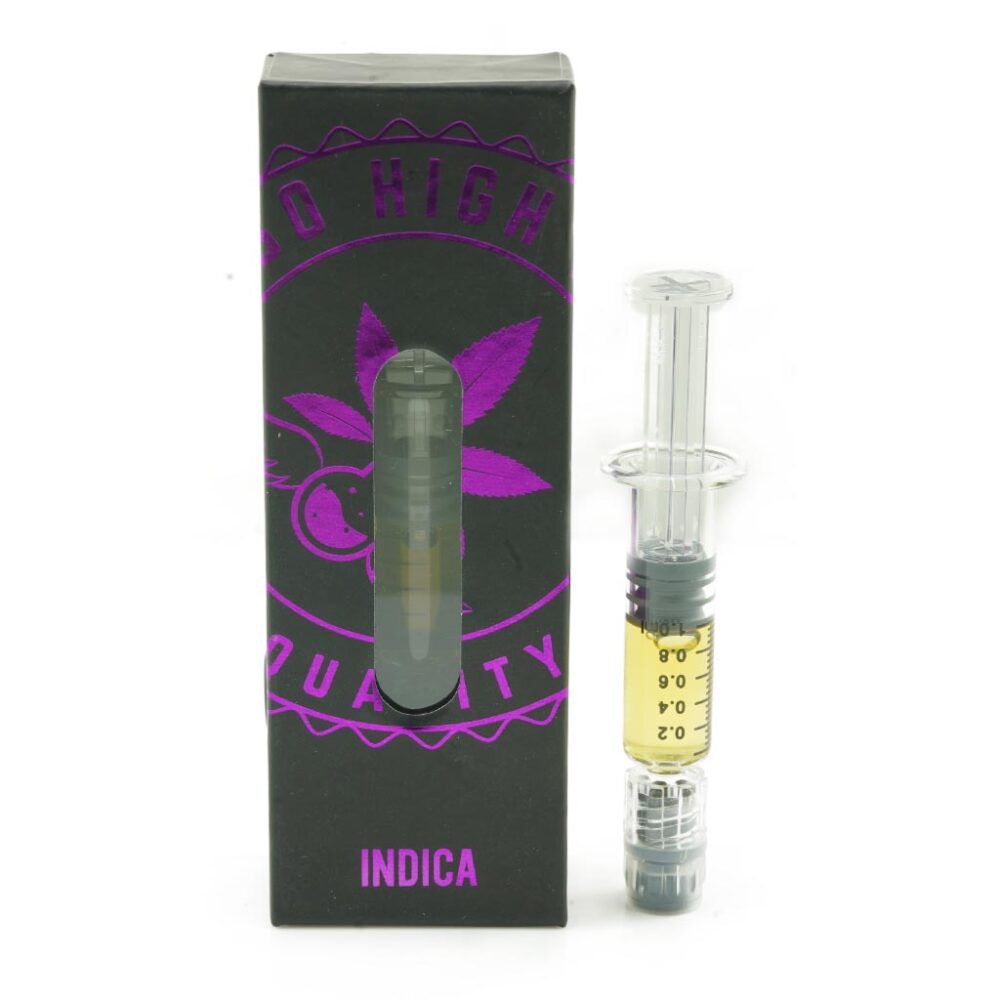
Syringe products have also become popular for concentrate users. A syringe filled with honey oil makes dosing incredibly easy. You can measure out a precise amount for dabbing or for mixing into a tincture base. I have seen brands like KushStation offer these syringes, and the convenience is hard to beat. The key is that the oil inside the syringe must be stable enough not to separate or crystallize over time. A stable bonafide honey oil will stay uniform at room temperature, which is a good test of quality.
Hemp vs. Cannabis: Does the Source Matter?
Both hemp and cannabis plants produce cannabinoids, but the ratios are different. Hemp is naturally high in CBD and low in THC, while cannabis can be bred for high THC content from delta 9 or delta 8. A honey oil made from hemp will have a very different effect profile than one made from high-THC cannabis. Both have their place. Hemp-derived honey oil is excellent for those who want the therapeutic benefits of CBD without psychoactive effects. Cannabis-derived honey oil offers the full range of effects, including the euphoria and relaxation that many users seek.
When you see a product described as full spectrum, it usually means the extract contains the same cannabinoid and terpene ratios as the original plant material. That is a good thing if you value the entourage effect. But it also means the potency can vary depending on the starting material. A hemp-derived full spectrum honey oil might be only a few percent THC, while a cannabis-derived one could be much higher. Always check the lab results if they are available. A trustworthy brand will provide them.
Final Thoughts on Choosing Your Honey Oil
After years of experimenting with different concentrates, I keep coming back to honey oil for its balance of flavor, versatility, and effect. The key is to find a product that is genuinely what it claims to be. A bonafide honey oil is not a gimmick. It is a carefully made cannabis concentrate that respects the plant's natural chemistry. Whether you prefer to dab it, vape it in a cart, or turn it into an edible, the quality of the starting material makes all the difference. Look for a full spectrum extract from a reputable source, and do not be afraid to ask about the cannabinoid profile and extraction method. Your experience will be better for it.
Ends · THEBONAFIDEHONEYOILPRO